Wednesday, November 7, 2012
Mapping VICTORY!
Barack Obama (D)
303
Electoral Votes
60,377,662 Popular Votes
Mitt Romney (R)
206
Electoral Votes
57,583,720 Popular Votes
Democrat Wins
California Electoral Votes: 55
Colorado Electoral Votes: 9
Connecticut Electoral Votes: 7
Delaware Electoral Votes: 3
District of Columbia Electoral Votes: 3
Hawaii Electoral Votes: 4
Illinois Electoral Votes: 20
Iowa Electoral Votes: 6
Maine Electoral Votes: 4
Maryland Electoral Votes: 10
Massachusetts Electoral Votes: 11
Michigan Electoral Votes: 16
Minnesota Electoral Votes: 10
Nevada Electoral Votes: 6
New Hampshire Electoral Votes: 4
New Jersey Electoral Votes: 14
New Mexico Electoral Votes: 5
New York Electoral Votes: 29
Ohio Electoral Votes: 18
Oregon Electoral Votes: 7
Pennsylvania Electoral Votes: 20
Rhode Island Electoral Votes: 4
Vermont Electoral Votes: 3
Virginia Electoral Votes: 13
Washington Electoral Votes: 12
Wisconsin Electoral Votes: 10
Republican Wins
Wyoming Electoral Votes: 3
West Virginia Electoral Votes: 5
Utah Electoral Votes: 6
Texas Electoral Votes: 38
Tennessee Electoral Votes: 11
South Dakota Electoral Votes: 3
South Carolina Electoral Votes: 9
Oklahoma Electoral Votes: 7
North Dakota Electoral Votes: 3
North Carolina Electoral Votes: 15
Nebraska Electoral Votes: 5
Montana Electoral Votes: 3
Missouri Electoral Votes: 10
Mississippi Electoral Votes: 6
Louisiana Electoral Votes: 8
Kentucky Electoral Votes: 8
Kansas Electoral Votes: 6
Indiana Electoral Votes: 11
Idaho Electoral Votes: 4
Georgia Electoral Votes: 16
Arkansas Electoral Votes: 6
Arizona Electoral Votes: 11
Alaska Electoral Votes: 3
Alabama Electoral Votes: 9
303
Electoral Votes
60,377,662 Popular Votes
Mitt Romney (R)
206
Electoral Votes
57,583,720 Popular Votes
Democrat Wins
California Electoral Votes: 55
Colorado Electoral Votes: 9
Connecticut Electoral Votes: 7
Delaware Electoral Votes: 3
District of Columbia Electoral Votes: 3
Hawaii Electoral Votes: 4
Illinois Electoral Votes: 20
Iowa Electoral Votes: 6
Maine Electoral Votes: 4
Maryland Electoral Votes: 10
Massachusetts Electoral Votes: 11
Michigan Electoral Votes: 16
Minnesota Electoral Votes: 10
Nevada Electoral Votes: 6
New Hampshire Electoral Votes: 4
New Jersey Electoral Votes: 14
New Mexico Electoral Votes: 5
New York Electoral Votes: 29
Ohio Electoral Votes: 18
Oregon Electoral Votes: 7
Pennsylvania Electoral Votes: 20
Rhode Island Electoral Votes: 4
Vermont Electoral Votes: 3
Virginia Electoral Votes: 13
Washington Electoral Votes: 12
Wisconsin Electoral Votes: 10
Republican Wins
Wyoming Electoral Votes: 3
West Virginia Electoral Votes: 5
Utah Electoral Votes: 6
Texas Electoral Votes: 38
Tennessee Electoral Votes: 11
South Dakota Electoral Votes: 3
South Carolina Electoral Votes: 9
Oklahoma Electoral Votes: 7
North Dakota Electoral Votes: 3
North Carolina Electoral Votes: 15
Nebraska Electoral Votes: 5
Montana Electoral Votes: 3
Missouri Electoral Votes: 10
Mississippi Electoral Votes: 6
Louisiana Electoral Votes: 8
Kentucky Electoral Votes: 8
Kansas Electoral Votes: 6
Indiana Electoral Votes: 11
Idaho Electoral Votes: 4
Georgia Electoral Votes: 16
Arkansas Electoral Votes: 6
Arizona Electoral Votes: 11
Alaska Electoral Votes: 3
Alabama Electoral Votes: 9
Labels:
2012 elections,
Barack Obama. Democrat,
map,
Mitt Romney,
Republican
Monday, November 5, 2012
Un Dimanche Après-midi à Central Park | NYC Pretend Marathon?
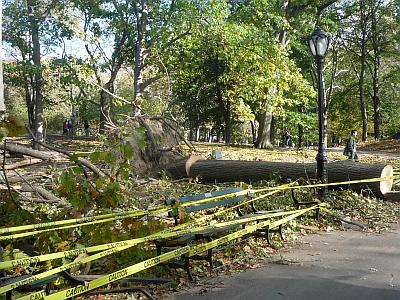
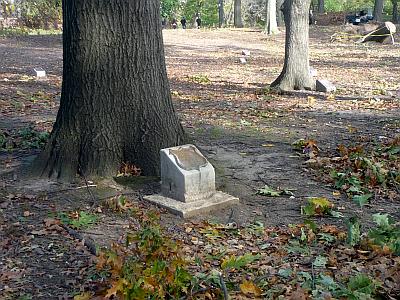
A few images from my first walk in Central Park after Sandy, in a sunny Sunday afternoon. It is quite astonishing the thought the city officials in the amidst of the major crisis brought by the hurricane, with many thousands of people without home or electricity or heating, gas, or even food, were still preparing the park for the marathon! Barricades, scaffolding and bleachers are still a testimonial of this sad lack of common sense and priorities. Many runners ran a "pretend" marathon, de gustibus... However the littering was quite unrespectful of the park, already so scarred in the last days events.
Sunday, November 4, 2012
Friday, November 2, 2012
Vernissages | NYC Uptown, November 1
![]() |
| Seventh Avenue closed at 57th Street for the infamous dangling crane of 157 W 57 residential tower |
![]() |
| Ana Tzarev "Exposed" at Ana Tzarev |
![]() |
| Cy Twombly at Gagosian |
Labels:
Ana Tzarev,
Cy Twombly,
Gagosian,
Vernissages
Climate Changes, Weather and Catastrophe
Questions Answered by the 8th grade student Zoe Bertol-Foell
How does climate change effect weather?
In a simple phrase, climate change increases temperature. This increase is a result of the greenhouse effect. The greenhouse effect is when long wavelength radiation gets trapped in the atmosphere causing the increase in temperature. A classic example of this is when the interior of a car gets heated on a sunny day. As humans over the years have been burning more fossil fuels, more carbon dioxide is being released into the atmosphere. Carbon Dioxide is strongly absorbent and it doesn’t allow much heat to escape into space. Since 1970, the overall temperature of the surface of the ocean has increased by one degree Fahrenheit. One degree Fahrenheit may not seem like much but it can cause deep concern. Increased temperature results in fast evaporation which causes more precipitation. Ironically, it can also lead to droughts in some areas because a warmer atmosphere can hold more water.
Has hurricane Sandy been effected by climate changes?
In a simple phrase, climate change increases temperature. This increase is a result of the greenhouse effect. The greenhouse effect is when long wavelength radiation gets trapped in the atmosphere causing the increase in temperature. A classic example of this is when the interior of a car gets heated on a sunny day. As humans over the years have been burning more fossil fuels, more carbon dioxide is being released into the atmosphere. Carbon Dioxide is strongly absorbent and it doesn’t allow much heat to escape into space. Since 1970, the overall temperature of the surface of the ocean has increased by one degree Fahrenheit. One degree Fahrenheit may not seem like much but it can cause deep concern. Increased temperature results in fast evaporation which causes more precipitation. Ironically, it can also lead to droughts in some areas because a warmer atmosphere can hold more water.
Has hurricane Sandy been effected by climate changes?
Hurricane Sandy was the largest storm that New York City has ever recorded. She had left thousands of New Yorkers devastated without power or shelter and she even took away lives of children and families. Cost estimates are predicted to be 20 billion dollars in damage. Hurricanes thrive on heat unlike tornadoes. A warmer ocean means more energy for a more powerful hurricane. As much of 10 percent of Sandy’s energy could have been a result of global warming.
What is the carbon footprint?
Carbon footprint is the amount of carbon dioxide that humans or man-made objects leave in the atmosphere. Vehicles that use more fossil fuels such as planes and trucks leave a bigger carbon footprint. Humans should try to limit their carbon footprint as much as possible. They can do so by a number of easy steps such as; carpooling, taking public transportation, or bicycling. If you live in New York City, a great way to reduce your footprint is to start commuting by subway. Since subways function off of electricity mostly, it leaves a very small carbon footprint compared to cars and planes.
What can be done by government?
The government could help by supporting renewable energy generation. With proper funding, America could build windmills and solar panals to replace coal which produces high amounts of carbon dioxide. New York City has taken steps to reduce its carbon footprint by eliminating all non-hybrid taxis. A law was recently passed that prohibited cars from idling near school grounds for more then one minute. Big companies such as Wal-Mart can also help by designing their buildings to let in more sunlight so they could use less electricity during the day.
What can be done by government?
The government could help by supporting renewable energy generation. With proper funding, America could build windmills and solar panals to replace coal which produces high amounts of carbon dioxide. New York City has taken steps to reduce its carbon footprint by eliminating all non-hybrid taxis. A law was recently passed that prohibited cars from idling near school grounds for more then one minute. Big companies such as Wal-Mart can also help by designing their buildings to let in more sunlight so they could use less electricity during the day.
What can be done at individual level?
One individual can not change global warming but if many communities participate, we together can take simple easy actions to try to reduce global warming as much as possible. A great way to help is to reduce your carbon footprint by changing your ways of transportation as mentioned before. There are also many ways you can help out at home. Get into the habit of turning off a light when not needed or turning off the faucet while brushing teeth. When you aren’t charging your phone or laptop, unplug the charger and always try to buy energy star appliances.
Labels:
carbon footprint,
climate changes,
global warming,
Hurricane,
Sandy
Wednesday, October 31, 2012
Post Sandy Thoughts | Cities and Nature
![]() |
| The first sunlight in NYC after the storm |
New York can be considered a city of extremes: the city which never sleeps, were bright lights are on 24 hours a day, creating a waste of electrical and human power in pure entertainment based activities. People functioning is based on circadian rhythms of wake and sleep patterns, and sleep requires darkness. New York is also a city of extreme economical inequality where a minority of extremely wealthy individuals from the main financial institutions controls the economy and policy. So extreme are the height of its building and the density brought by the ratio of height over square footage of urban land. Extreme density brings congestion in transportation. The extremes in building demolitions and constructions are also characteristics of New York city streets. Relentless unregulated construction creates excessive waste and air pollution generated by both demolition and new construction itself. Coming from Rome, a city where buildings have been used often for hundred of years, I am shocked about the short life and building cycles in New York neighborhoods. As a pedestrian — I use walking as my main transportation means— I am constantly exposed to debris, dust and poor air quality. The impact of Sandy on the city infrastructure has shown how lack of common sense and abuse in building construction is having disastrous consequences in the urban life.
Water, air, fire and earth were considered the primary elements constituents of the universe in many different cultures from both Eastern and Western traditions. Quite ironically all of the four elements were the agents of the destruction of the built environment brought by Sandy. The encounter between earth and water —in geographic terms the coast where the ocean meets the land— was considered a sacred place by many ancient cultures; contemporary human arrogance has been erecting building on the furthermost limits of the coastland often for only private use. Beachfront property comes with a high price tag attached, now this real estate economic valued has been challenged and often destroyed by nature itself.
Is Sandy teaching a lesson of how the respect of mother nature cannot be ignored for any human settlement and use of land?
![]() |
| "The Sun Also Rises" |
Subscribe to:
Posts (Atom)


.jpg)


.jpg)